
Once upon a picture book: the power of children’s stories to support social-emotional growth
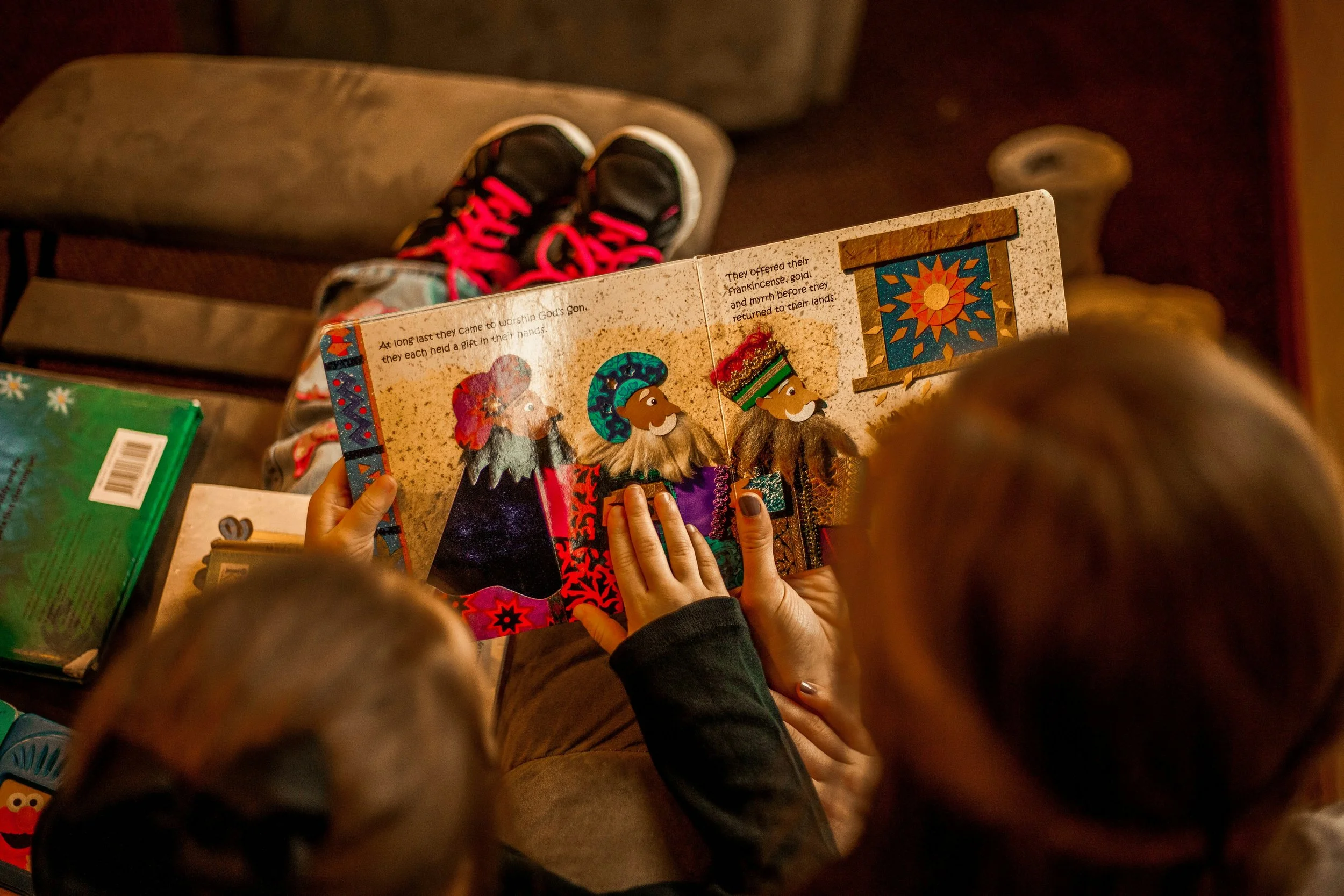
Picture book magic
While picture books may seem simple on the surface, they're doing much more than telling engaging stories. Today’s children’s books are rich with emotional nuance, diverse experiences, and characters who grapple with big feelings in ways that feel real and relatable. In looking beyond the colorful illustrations and playful language, you’ll uncover an opportunity for real social-emotional growth.
As a child psychologist, I often think of picture books as powerful clinical tools. What feels like a simple bedtime story is actually an opportunity for children to build emotional vocabulary, practice perspective-taking, and make sense of experiences that might otherwise feel overwhelming. In fact, picture books are often one of the first things I turn to when a child is having difficulty putting words to their experience, or becomes resistant when a topic feels too vulnerable. They become an opportunity to open the door to conversations that might otherwise feel overwhelming or difficult to begin. Conversations about subjects like consent and boundaries, grief and loss, or identity and belonging.
Stories give children a safe distance from their own inner world. It’s often much easier to talk about how a character feels than it is to name those same feelings in ourselves. Through that distance, children begin to explore questions like: Why did that happen? How does the character feel? What could they do next?
We call this process externalization, and it is a cornerstone of many child therapy approaches, including Acceptance and Commitment Therapy (ACT), which emphasizes creating space between ourselves and our thoughts and feelings.
The benefits of bibliotherapy
The psychological term for the use of stories to help children process emotions, build coping strategies, and better understand themselves and others is bibliotherapy.
Bibliotherapy was first introduced by essayist Samuel Crothers in 1916, originally describing the use of books as a form of support for individuals facing various medical ailments. This concept was adopted by the psychological community and has since transformed into a clinical tool beloved by many child psychologists and mental health professionals. Recent research studies have demonstrated that reading socially themed picture books can increase children’s empathy and prosocial behavior, while also supporting the development of emotion regulation skills (Chen et al., 2025; Schoppmann et al., 2023). Additional research suggests that story-based interventions can help children navigate challenging experiences with greater resilience (Lenzi et al., 2025).
Children can learn a wide range of foundational skills through picture books, including:
Identifying and naming emotions
Understanding cause and effect (“What happened? Why?”)
Perspective-taking (“How did they feel?”)
Problem-solving and flexible thinking
Coping strategies (bravery, trying again, asking for help)
These are the very skills children rely on every day when navigating friendships, managing frustration, and making sense of their experiences.
How to use picture books at home
If your child asks to read the same book again and again, there’s often a reason. Repetition helps children process, predict, and gain a sense of mastery over themes that feel important to them. While simply spending time reading through a thoughtfully curated library of picture books is a wonderful place to start, parents can take their child’s learning to the next level with a few simple, intentional strategies.
As you read, pause to wonder together (“I wonder how that character is feeling…”), ask open-ended questions (“What would you do in that situation?”), or simply talk with each other about what you each predict might happen next.
Help children make soft connections between the character’s experiences and their own lives (“That reminds me of a time when…”).
Expand beyond basic emotional language (“He doesn’t just look mad…he might be feeling left out or disappointed.”).
Consider moments when a picture book might feel especially powerful. Before a big transition, after a day filled with big emotions, or in the wake of a difficult experience like the loss of a loved one, stories can offer comfort, language, and a sense of understanding.
Importantly, these moments don’t need to feel like lessons. In fact, the most meaningful conversations often happen when reading remains playful, curious, and pressure-free.
At the end of the day, you don’t need to be a therapist to use stories in this way. Simply showing up, reading together, and staying curious about your child’s inner world is more than enough. Because sometimes, the most meaningful conversations don’t start with a question…they begin with a story.
Dr. Poole’s go-to picture books
Emotional Literacy
All About Feelings by Felicity Brooks
Rigid Thinking/Flexibility
The Creature of Habit by Jennifer E Smith
Grief & Loss
Everywhere Still by MH Clark
Emotional Regulation/Dysregulation
Today My Brain is a Dinosaur by Jedidiah Mora
Anxiety & Worry
Ruby Finds a Worry by Tom Percival
Neurodiversity
My Different Brain by Orlanda Bettison
Anger Management
Sometimes I Am Hot Lava by Jody Jensen Shaffer
Consent & Boundaries
Don’t Hug the Quokka by Daniel Errico
Mindfulness
Mop Rides The Waves of Life by Jaimal Yogis
If you need want more support for your child or yourself as you navigate the development of their socio-emotional skills, reach out to us at Expand Psychology for a free 15-minute phone consultation with an experienced therapist to learn more about how therapy can benefit you and your family.
Dr. Hannah Poole is a licensed clinical psychologist who is passionate about providing high-quality, evidence-based care to children, adolescents, and transition-aged youth, including youth with neurodevelopmental differences, including autism, ADHD, and intellectual disabilities.
This content is for informational purposes only and does not constitute mental health treatment. If you are in crisis call 911 or contact your local crisis hotline immediately.