
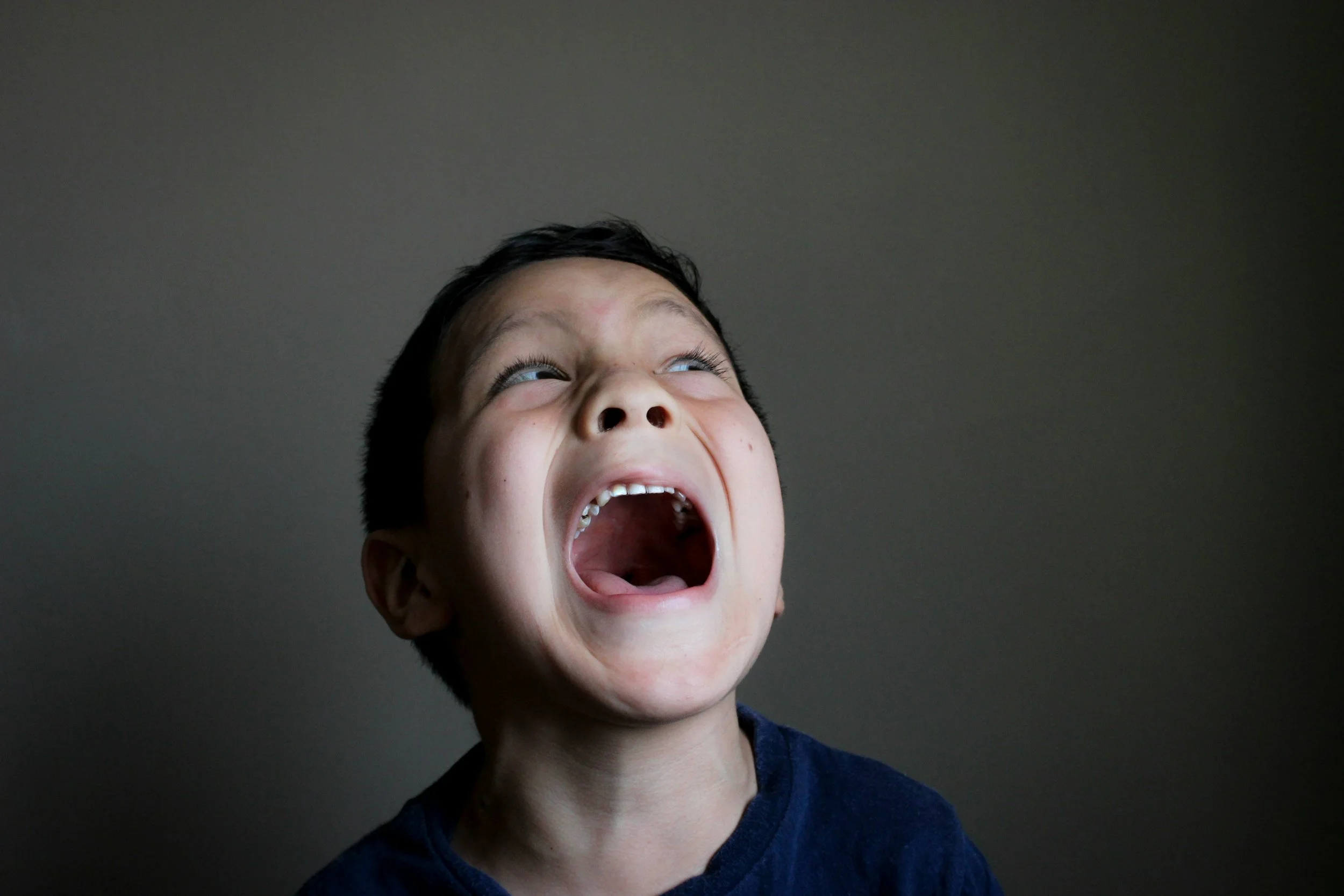
As a parent, you may feel like you’re doing everything you can to support your child’s emotional well-being. You maintain consistent routines, make sure they get enough sleep, nutritious food, movement, and downtime, and try to anticipate triggers or situations that may feel overwhelming for them. Yet, despite your efforts, you may still notice your child experiencing big emotions and strong reactions to everyday stressors.
Your child may describe these moments as a “meltdown” or “crashing out.” For children, these experiences can feel overwhelming and difficult to manage. For parents and caregivers, they can be equally challenging, especially when you’re trying to understand what your child needs and how best to respond.
When you’re putting in so much effort to support your child, it can be frustrating and overwhelming when their emotions still seem difficult to manage. You may find yourself wondering what you’re missing or what else you can do to help.
The good news? Emotion regulation is a skill that can be learned, practiced, and better developed over time. Children can learn strategies to recognize, understand, and manage their emotions, while parents can learn how to recognize signs of dysregulation and respond in ways that help their child feel safe, supported, and understood. With practice and the right tools, both children and parents can feel more confident navigating big emotions together.
What is emotion regulation?
The American Psychological Association defines Emotion Regulation as “the ability for an individual to modulate an emotion or a set of emotions.” In simpler terms, emotion regulation is our ability to notice and understand what we are feeling, tolerate the intensity of an emotion, and choose how we respond to it. And this is a skill that is learned and developed as a child grows up.
Parents and caregivers play an important role in helping children learn what their emotions feel like, put words to those experiences, tolerate uncomfortable feelings, and develop strategies for responding to them. Children do not learn how to regulate their emotions on their own; they learn through relationships, modeling, practice, and repeated opportunities to try again.
Big feelings are a (very) normal part of childhood and adolescence, as are occasional tantrums, meltdowns, and moments of frustration. Children and teens are still developing the brain-based skills needed to pause, problem-solve, communicate their needs, and recover from strong emotions. Their capacity for regulation also varies depending on factors such as age, temperament, stress, fatigue, hunger, and the environment around them.
It is important to remember that emotions serve a purpose. They provide valuable information about what we need, what matters to us, and how we are experiencing the world around us. Anger may signal that something feels unfair; sadness can tell us that we have experienced a loss; anxiety may alert us to something that feels uncertain or threatening. Learning to recognize and express these emotions in healthy ways is an important lifelong skill.
That being said, if you notice that your child’s moments of emotional dysregulation are frequent, intense, or interfering with school, extracurricular activities, family life, friendships, or your child’s goals, seeking support from a therapist or other resources to add some new tools to the family toolbox may be helpful. Seeking support does not mean that something is “wrong” with your child or that you have done something wrong as a parent. It can simply provide your family with additional strategies for understanding big emotions and navigating them together.
Talking about emotion regulation with your child
Big emotions, and specifically reactions to big feelings, can be a tricky topic that your child may want to avoid. Your child may feel embarrassed when discussing these moments, especially if they occur in public.
Psychoeducation can help your child to reframe their experiences of big feelings. For example, Dr. Dan Siegel has developed excellent resources related to the “left and right brain” or the “upstairs and downstairs brain”. Essentially, his work explains that the emotional part of your brain can often “take the lead” during moments of stress, and lead to many of the behaviors associated with “meltdowns”.
Helping children and adolescents to understand how their brain works can help alleviate those feelings of embarrassment, and regain some sense of control over their emotion expression.
How can parents help
If you ever feel “stuck” as a parent or caregiver during these moments of big feelings for your child, you’re not alone. Emotion regulation strategies can help you to feel more confident and prepared to support your child in these bigger moments.
Once you’ve monitored for safety and taken some deep breaths yourself (if helpful!), keep these strategies in mind:
Help your child name their emotions: Think “name it to tame it”. Communicating emotions can help children better understand their experiences of emotions, and help parents/caregivers to know what their child is struggling with. Emotion labeling and naming can be practiced more directly (a parent asking “How are you feeling about this?”), or more indirectly (practice labeling emotions of characters in your child’s favorite movies/books). Of note, neurodivergent children in particular may experience more difficulty with verbal communication of emotions, especially during moments of stress when resources may feel depleted. Visual aids such as “feelings charts”, and labeling bodily sensations, can be helpful tools for both neurotypical and/or neurodivergent children.
“Preview” challenging situations: Are there certain situations where your child is more likely to become dysregulated? Are big reactions more likely when your child is tired, overstimulated, facing a change in routine, or having a difficult interaction with a classmate? The more you notice these patterns together, the more you and your child can prepare for these moments and practice new skills. Try to talk these situations through with your child ahead of time. For example, you could say “I’ve noticed that it can be hard sometimes when you just get home from school, and we ask you to start your homework. What could we do if that happens?”
Practice emotion regulation strategies all the time: Your child may have a “Calm Down Corner” at school, or has seen Riley practice breathing strategies in the movie “Inside Out 2”. Breathing and grounding exercises, movement (i.e. wall push-ups or stretching), sensory activities, and special interests/hobbies can all help a child to modulate and regulate intense emotions. Of course, every child is different, and some strategies may be more helpful for your child than others. And that’s OK! Allow yourself some grace for trial and error when it comes to building your child’s skillset. It’s recommended to practice these skills with your child regularly, not just during a meltdown. Your child will be more able to access the learning and consolidation of these skills if practiced regularly when they are calm. Visual reminders of coping skills (i.e. having a list of coping skills with pictures) may help to prompt engagement in emotion regulation skills across settings.
Emotion Regulation is a lifelong process, and every person develops these abilities at their own pace. If you notice that your child’s emotions feel bigger than usual, or if they are getting in the way of your child’s goals, professional support can help.
If you are looking for support for your child or yourself related to Emotion Regulation, Expand Psychology offers therapeutic services aimed to support children and families through individual and/or parent coaching modalities to build practical emotion regulation skills. Please reach out to us at Expand Psychology for a free 15-minute phone consultation with an experienced therapist to get support for you and your family.
References
Dr. Dan Siegel: Whole-Brain Child
Ava Sardoni, Psy.D., BCBA is a Licensed Clinical Psychologist who works with children, adolescents, and their families. Dr. Sardoni's practice focuses on addressing a range of challenges commonly experienced by neurotypical and neurodivergent children and adolescents, including emotion regulation challenges.
This content is for informational purposes only and does not constitute mental health treatment. If you are in crisis call 911 or contact your local crisis hotline immediately.