
Navigating middle school friendships
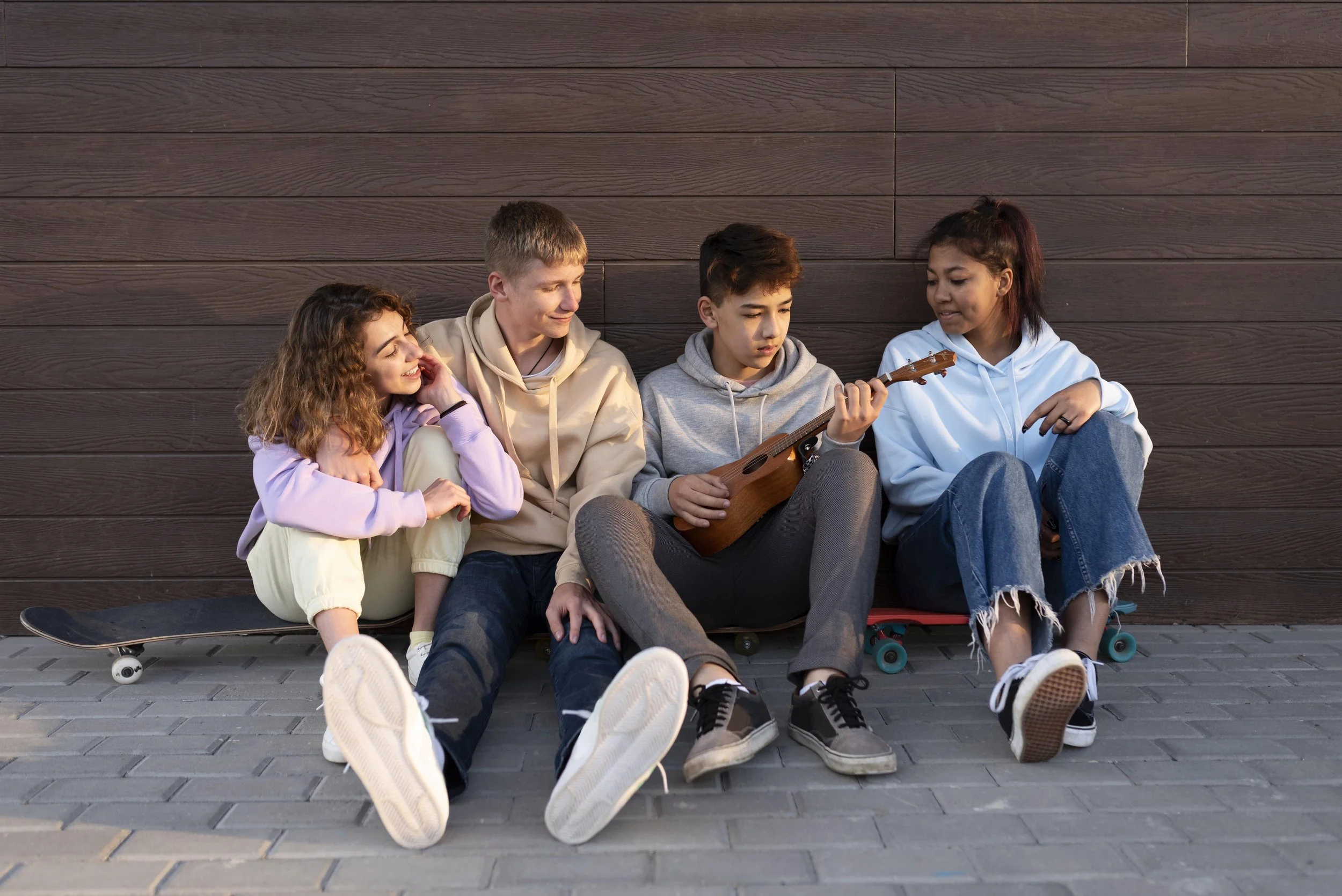
Middle school is a season of monumental growth – emotionally, physically, and socially. In fact, the years between 11 and 14 years old see the most significant brain development of a human’s life, second only to the period between birth and age two. During this time, an enormous amount of development, growth, and "pruning" of unused neural connections is happening beneath the surface.
Middle schoolers are practicing the skills that will eventually allow them to become independent, confident adults. One of the most critical (and often most painful) skills they are practicing is navigating friendships.
The biology of “highs” and lows”
We often see middle schoolers experience the highest of highs and the lowest of lows. This is biological. While the logical part of the brain – the prefrontal cortex – won’t fully develop until the mid-twenties, tweens are navigating life primarily with the amygdala. This is the primitive part of the brain that regulates emotions and triggers the "fight or flight" response.
This is why your child may seem devastated when a friendship ends or elated when invited to an event by a new peer. To their brain, these social moments feel like matters of survival.
Advice for the “rollercoaster” parent
It is exhausting to ride these waves with your child and can be difficult to deal with the quick mood swings. If possible, it is best for families to try not to get too "socially invested" in their child's specific middle school friendships. It is easy to villainize a peer who was mean to your child, but remember: they are all navigating shifting terrain.
If you decide you "don't like" a certain friend, you may find yourself in an awkward position when they are back to being best friends the next morning. Instead, try to remain a calm, somewhat detached observer.
Standing beside, not doing for
When our children hurt, we hurt. The instinct is to step in and solve the problem. However, our task is to stand beside them and send the message: "I know you can handle this, and if you need my help, I am here." This back-and-forth negotiation prepares them for the complicated friendships and romantic relationships of adulthood.
Why they save the “worst” for you
A major task of adolescence is "individuation" – separating from the family unit to form a solo identity. This is why peer influence starts to override parental opinion. This path isn't linear. One day your child may scoff at your advice; the next, they may want to be tucked in and tell you about their day.
It is normal and expected to feel rejected sometimes but remember, they save their "worst" behavior for you because you are their safe harbor. They know they can be their most complicated, temperamental selves and you will still see them for the loveable child they truly are.
Knowing the “red flags”: when to seek clinical help
While middle school is naturally a tumultuous time, it is also a window where more significant clinical mental health issues can emerge. Because "normal" middle school behavior can sometimes look like distress, look for patterns that are persistent (lasting more than two weeks) or a sharp departure from your child’s typical self.
It may make sense to reach out to a mental health professional if you notice the following red flags:
Persistent Mood and Biological Shifts: Beyond typical moodiness, look for ongoing irritability, a "flat" affect where there is a significant reduction or absence of emotional expression, or sadness that lasts more than two weeks. This includes drastic changes in biological patterns such as significant changes in sleep (insomnia or oversleeping), appetite, or weight.
Anhedonia (Loss of Joy): A major indicator of more significant mental health issues is when a child loses interest in activities, hobbies, or social connections that used to bring them genuine pleasure.
Significant Academic Decline: A sudden, sharp drop in grades, or a newfound avoidance to attending school.
Concerning Behavior at Home: This includes when typical irritability escalates into increased expressions of anger, physical aggression toward family or property, or any signs of self-harm (such as cutting, burning, or skin-picking).
Social Isolation: Moving beyond a need for "privacy" to a significant withdrawal from peers and family members.
Unexplained Physical Symptoms: Frequent headaches, stomachaches, or fatigue that have no clear medical cause and often coincide with social or academic stress.
Hopelessness or Suicidal Ideation: Any comments about feeling worthless, being a "burden," or expressing a wish to "not be here" should be evaluated by a professional immediately.
A note for parents:
You are the expert on your child. If your "gut" tells you that their behavior has moved beyond the typical middle school rollercoaster and into something deeper, it is always worth a consultation. Early intervention during these years of rapid brain growth can make a world of difference.
Empathy for the journey
Even when a middle schooler’s life seems to be going well, it is still hard while they go through such significant developmental changes and begin to engage differently with the world around them. School is a constant stress on their academic, social, and emotional reserves. They are "firing on all cylinders" all day, often with priorities (social acceptance) that may differ from ours (academic achievement).
Understanding these heavy demands can help us increase our empathy for their journey, which in turn increases our patience for parenting during this wild, beautiful, and rocky time.
If you or your child needs support while navigating social connections and influences, Expand Psychology is here to help. Reach out to our office for a free 15-minute phone consultation with an experienced therapist to learn more about how therapy can benefit you and your family during times of change.
This content is for informational purposes only and does not constitute mental health treatment. If you are in crisis call 911 or contact your local crisis hotline immediately.